
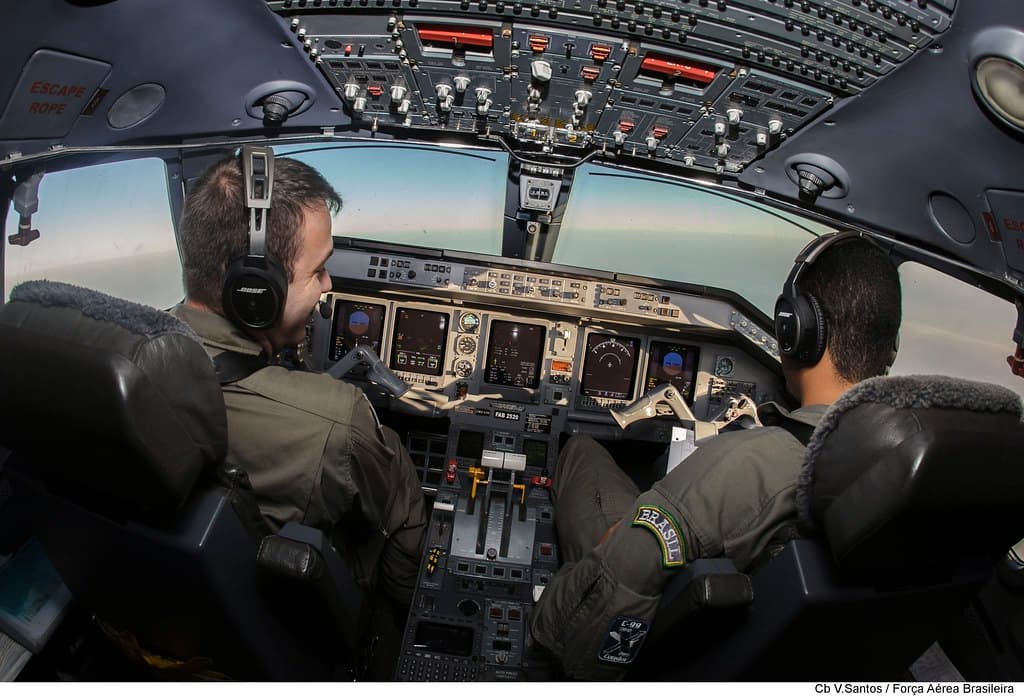
Are you ready to navigate the intricate skies of United States immigration law as an experienced pilot with your eye on a permanent place in the country?
The EB-2 NIW visa may be exactly the beacon you have been looking for. This specialized visa category, designed for individuals with exceptional ability, could offer you a streamlined path to settling in the United States without the usual requirement of a job offer.
Hold steady as we untangle the intricate web of requirements, benefits, and the application process that could steer your career toward a stable, promising future in the US aviation industry.
Key Takeaways
- The EB-2 NIW allows foreign pilots to obtain green cards without a job offer.
- It calls for 10+ years of pilot experience, a relevant license, and exceptional contributions.
- It provides unconditional green cards for the pilot and their dependents.
- It allows adjustment of status within the US without the need to return to your home country.
Overview of the EB-2 NIW Program
Within employment-based immigration, the EB-2 NIW program stands out as a significant pathway for foreign airline pilots with exceptional ability who want to secure a green card without the constraints of a job offer.
The timing works in pilots' favor: the US aviation industry faces a growing demand for qualified pilots. According to the Bureau of Labor Statistics, there is an increasing need for new pilots to replace retiring professionals and to keep pace with airline expansion — a shortage that represents a significant opportunity for foreign pilots.
Pilot qualifications play a crucial role in this program, which looks for at least 10 years of full-time experience as a pilot, possession of an aviation-industry license or certification, aviation-related academic records, and membership in professional pilot associations.
The aviation industry benefits from the specialized skills these pilots bring, making them vital contributors to the sector. Through the EB-2 NIW, these individuals find a unique immigration option that recognizes their exceptional ability and allows them to contribute meaningfully to the national interest without the need for a specific job offer.
Benefits of the EB-2 NIW Visa
To fully appreciate the advantages of the EB-2 NIW visa, it helps to understand its pivotal role in the immigration landscape for exceptional foreign pilots. Below is a table highlighting the benefits of the EB-2 NIW visa for pilots:
| Benefits | Details |
|---|---|
| Aviation Opportunities | Open doors to advanced aviation roles in the US. |
| Career Advancement | Propel your career with access to higher positions and opportunities in the aviation industry. |
| Global Mobility | Enjoy the flexibility to work and travel internationally with ease. |
| Professional Growth | Expand your experience and skills through exposure to diverse aviation environments. |
| Travel Benefits | Experience seamless travel within the US and internationally, for work and leisure. |
Beyond these, the EB-2 NIW carries practical advantages over other work-visa routes: no specific job offer is required, the waiver of labor certification can speed up the immigration process, and the visa is a direct route to the green card and permanent residence in the United States.
Requirements for Pilots
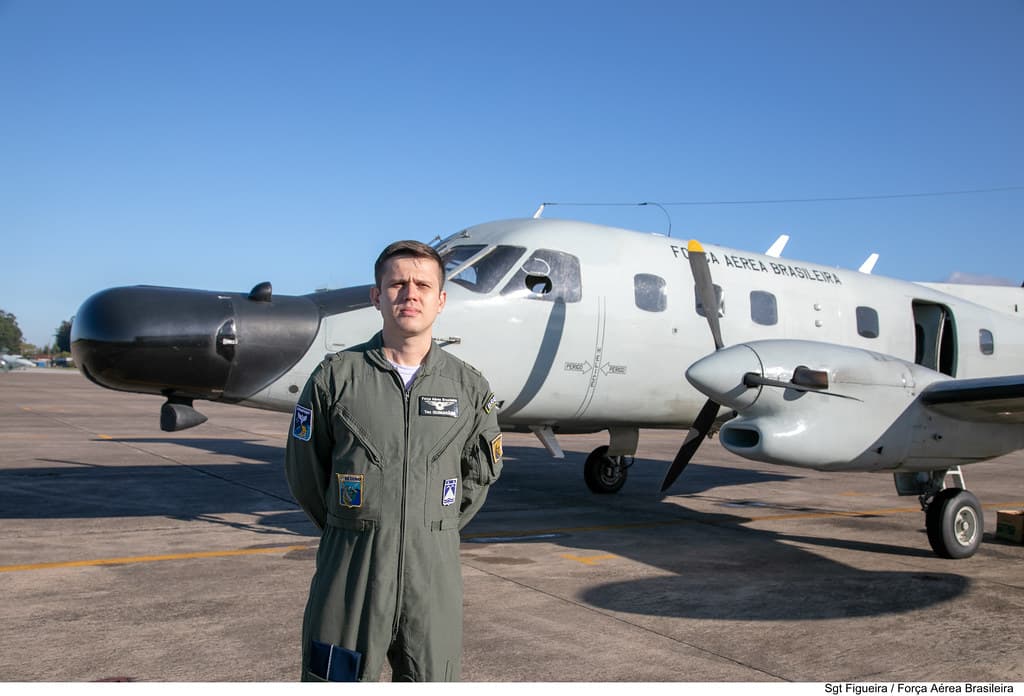
For pilots pursuing an aviation career, meeting specific requirements is crucial to obtaining the necessary licenses and certifications. Pilot qualifications encompass at least 10 years of full-time experience as a pilot, possession of a license or certification for the profession, academic records related to the aviation industry, and membership in professional pilot association(s).
Flight experience is essential, with pilots needing to complete on-the-job training, including ground school and flight training. Training requirements call for recurrent training, medical examinations, and type ratings for specific aircraft acquired through employer-based training.
Aviation certifications involve meeting age and flight-hour requirements, passing written and practical exams, and maintaining physical and mental fitness through medical evaluations. Adherence to these age and health criteria is vital for pilots aiming to excel in the aviation industry.
On the immigration side, candidates must also show that they hold an advanced degree or exceptional ability in their field, and that their presence in the United States serves the national interest — meaning their contribution must be significant enough that requiring a job offer and labor certification would be dispensable.
How Pilots Can Meet the National Interest Standard
Pilots can highlight several aspects of their experience and skills to address the national interest criteria at the heart of the EB-2 NIW:
- Aviation safety: A track record of improving the safety and efficiency of flight operations can be a strong point. Pilots with a history of few incidents and advanced flight-safety skills can demonstrate a direct benefit to the national interest.
- Training and education: Participation in pilot training programs and academic preparation as a pilot, especially in areas of aviation technology, can be presented as a valuable contribution to the industry.
- International aviation experience: Pilots with international flying experience can bring practices and knowledge that benefit American carriers and US aviation as a whole.
The Application Process for Pilots
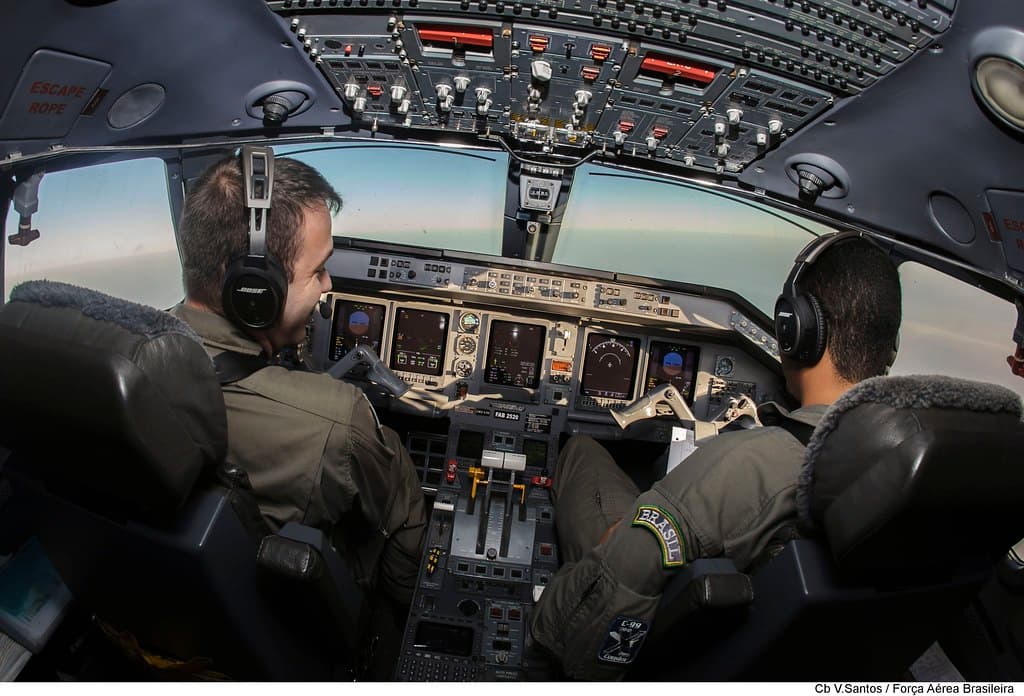
Moving from pilot requirements to the application process involves a meticulous, step-by-step procedure that demands attention to detail and adherence to regulatory standards.
To successfully navigate the pilot application process, consider the following key aspects:
Solo flight: Ensure compliance with the regulations governing solo flight operations. Logbook endorsements: Obtain the necessary endorsements in your logbook from a qualified flight instructor. Pilot examiner: Work with a designated pilot examiner for certification evaluations.
On the immigration side, the petition itself typically unfolds in four stages:
- Assessment of qualifications: Evaluate whether your qualifications and experience meet the EB-2 NIW criteria. Consulting an immigration attorney can help determine eligibility.
- Preparation of documentation: Gather documents that establish your qualifications, professional experience, and the relevance of your contribution to the national interest.
- Filing the petition: Submit the EB-2 NIW petition to USCIS, detailing how you meet the requirements and how your admission serves the national interest.
- Follow-up: After filing, monitor the status of your petition and be ready to provide additional information if requested.
These critical elements, together with adherence to specific aircraft types and certificate requirements, are fundamental to the meticulous application process for pilots seeking to advance their careers through the EB-2 NIW visa program.
Additional Information About the EB-2 NIW
Consider the different categories within the EB-2 visa program to determine the option best suited to your specific qualifications and expertise. Pilots pursuing this visa should highlight their specialized skills and flight experience to demonstrate their value to the US aviation industry. By showing how your contributions serve the national interest, you can strengthen your EB-2 NIW application. Below is a comparison table to help you understand the differences between the EB-2 A, EB-2 B, and EB-2 C categories:
| Category | Key Characteristics |
|---|---|
| EB-2 A | Requires an advanced degree |
| EB-2 B | Demonstrates exceptional ability |
| EB-2 C | National interest waiver |
Foreign pilots should also be realistic about the challenges of establishing themselves in the United States: converting licenses issued in other countries to meet FAA (Federal Aviation Administration) requirements, adapting to the standards and practices of the American aviation market, and competing with local pilots who are already familiar with the US regulatory and operating environment.
Frequently Asked Questions
Can Pilots Apply for the EB-2 NIW Visa With Fewer Than 10 Years of Full-Time Pilot Experience?
If you have fewer than 10 years of full-time experience as a pilot, meeting training requirements and demonstrating international experience, language proficiency, labor-market demand, and specialized skills can strengthen your EB-2 NIW application.
Are Specific Pilot Certifications or Licenses Required for the EB-2 NIW Visa?
For the EB-2 NIW visa, specific pilot certifications, licenses, training qualifications, and aviation experience are essential. Skills assessments also play a crucial role in meeting the requirements. Make sure you have all the necessary credentials for a successful application.
How Does Membership in Professional Pilot Associations Impact an EB-2 NIW Application?
Membership in professional pilot associations can enhance your EB-2 NIW application. It shows your commitment to the field, your professional network, and your involvement in the industry. This can strengthen your case by demonstrating your active engagement with and contributions to the aviation community.
Can Pilots With Military Aviation Experience Be Eligible for the EB-2 NIW Visa?
Yes, pilots with military experience can be eligible for the EB-2 NIW visa. Their career progression, the transferability of skills gained through specialized training, and industry demand can demonstrate exceptional ability, meeting the requirements of this visa category.
Is There a Limit on the Number of EB-2 NIW Visas Available to Pilots Each Year?
For pilots seeking EB-2 NIW eligibility, there is no annual quota limiting these visas. Pilot qualifications call for 10 years of experience, a valid license, academic records, and professional memberships. The application process involves a preliminary assessment and document submission, and offers a range of visa benefits.