
How to Get Married in the United States: Your Complete Guide
Getting married is a significant milestone, and navigating the process can feel overwhelming. Whether you are a U.S. citizen planning your dream wedding or a foreign national who wants to get married in the United States, it is crucial to understand the steps involved. This guide walks you through everything you need to know about getting married in the United States, from obtaining a marriage license to finalizing your marriage certificate.
What You Will Find in This Article
- What Are the Basic Requirements to Get Married in the United States?
- How Do You Apply for a Marriage License?
- What Documents Do You Need for a Marriage License?
- Are There Waiting Periods or Fees for a Marriage License?
- How Do You Choose the Right Officiant for Your Wedding?
- Is It Possible to Get Married Remotely in the United States?
- What Happens After the Wedding Ceremony?
- How Do You Obtain Your Marriage Certificate?
- What Are the Implications for Immigrants Marrying in the U.S.?
- How Do You Handle Name Changes and Other Post-Wedding Formalities?
What Are the Basic Requirements to Get Married in the United States?
Before taking the step of getting married in the United States, it is important to understand the basic eligibility requirements. Both parties typically need to be over 18 years old and legally free to marry. This means you must not currently be married to someone else, and if you were recently divorced, you may need to present a divorce decree. These basic requirements ensure that both individuals entering the marriage do so of their own free will and are legally capable of making that commitment.
In some states, you may also need to be a U.S. citizen or lawful resident, while others have more flexible rules. Checking the specific requirements in your county is crucial to make sure you meet all the criteria for getting married in the United States.
How Do You Apply for a Marriage License?
Applying for a marriage license is the first official step toward getting married in the United States. This process generally involves visiting the county clerk's office with your partner. You will need to complete an application, which often includes providing personal details for yourself and your future spouse.
Some counties allow you to apply online, which can speed up the process. However, both parties usually need to appear in person to finalize the application. The process is straightforward but requires attention to detail, including filling out the forms correctly and understanding any local requirements.
What Documents Do You Need for a Marriage License?
When applying for a marriage license, you will need to provide certain documentation. This generally includes a valid photo ID, such as a driver's license or passport, to prove your identity and age. You may also need to present a birth certificate or proof of citizenship if your state requires it.
If either party was previously married, you will need to present divorce decrees or death certificates from prior marriages. Making sure you have all the required documents can prevent delays and complications in obtaining your marriage license.
Are There Waiting Periods or Fees for a Marriage License?
In many states, there are waiting periods between applying for and receiving your marriage license. This period can range from a few days to a few weeks, depending on the state. Some jurisdictions also have a waiting period before you can get married, so planning ahead is essential.
Fees for obtaining a marriage license can vary widely, generally between $35 and $150. The fee often needs to be paid in cash or by check, so be sure to confirm the payment methods accepted by your county clerk's office.
How Do You Choose the Right Officiant for Your Wedding?
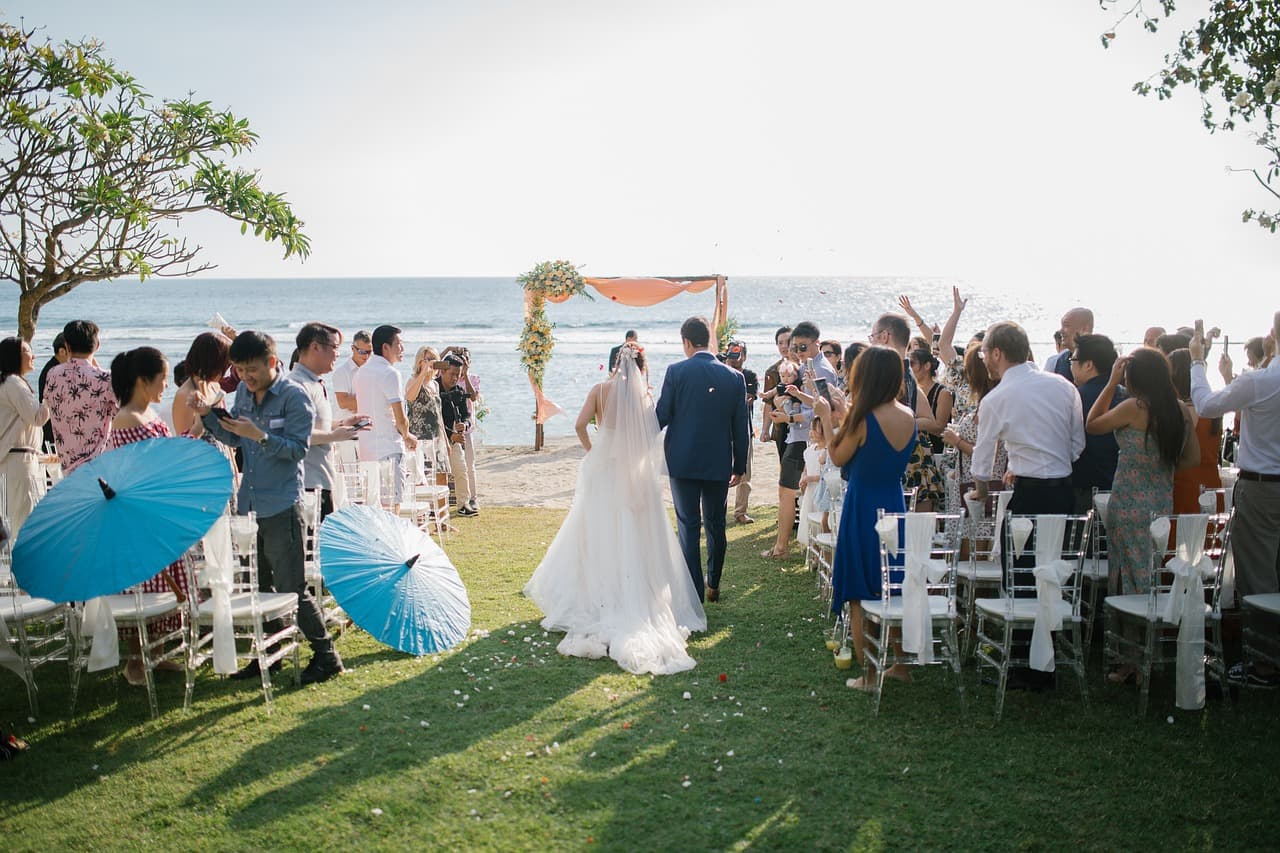
Choosing an officiant is a crucial step in planning your wedding. Your officiant can be a religious figure, a civil officiant, or even a friend or relative who has been authorized to perform marriages. The important thing is to select someone who aligns with your personal style and preferences.
Make sure the officiant you choose is legally recognized to perform marriages in your state. They should also be comfortable with any specific traditions or customs you want to include in your ceremony. Your officiant will play a significant role in setting the tone for your big day, so choose someone who resonates with both of you.
Is It Possible to Get Married Remotely in the United States?
In some states, it is possible to get married remotely via video conference. This option has become more popular because of its convenience, especially if one or both parties are not physically present. Remote marriages are legally recognized as long as they follow state laws and regulations.
However, not all states allow remote marriages, so it is essential to check the specific laws in your state. If a remote marriage is an option, make sure to follow all the legal requirements to ensure your marriage is valid.
What Happens After the Wedding Ceremony?
After exchanging your vows, there are a few important steps to complete. Your officiant is responsible for signing the marriage license and submitting it to the county clerk's office. This step is crucial, as it finalizes the legal aspects of your marriage.
Once the license is submitted, you will need to wait for your official marriage certificate. This document is required for name changes, updating legal records, and proving your marital status in the future.
How Do You Obtain Your Marriage Certificate?
Obtaining your marriage certificate involves requesting a copy from the county clerk's office where your marriage license was filed. In most cases, you can request a certified copy of your marriage certificate online, by mail, or in person.
Be aware that there may be a fee for obtaining copies of your marriage certificate. It is also a good idea to request several copies, as you may need them for various legal and administrative purposes.
What Are the Implications for Immigrants Marrying in the U.S.?
For immigrants, getting married in the United States can carry additional implications, especially if you are seeking to adjust your immigration status. If you are not a U.S. citizen, your marriage may affect your visa status or your eligibility for permanent residence.
You may need to file specific forms with U.S. Citizenship and Immigration Services (USCIS) to pursue adjustment of status. It is crucial to understand the immigration implications of your marriage and to consult an immigration attorney if needed.
How Do You Handle Name Changes and Other Post-Wedding Formalities?
After the wedding, you may want to change your name. This process involves updating your name on various legal documents, such as your Social Security card, driver's license, and passport. You will need a copy of your marriage certificate to make these changes.
In addition, you should notify other institutions, such as your bank and employer, of the name change. Handling these post-wedding formalities promptly will ensure that all your records reflect your new marital status.
Summary
- Eligibility Requirements: Make sure both parties are over 18 and legally free to marry.
- Marriage License Application: Apply at your county clerk's office with the required documents.
- Required Documentation: Provide valid photo ID, birth certificates, and proof of prior marriages, if applicable.
- Fees and Waiting Periods: Be aware of the costs and any waiting periods required by your state.
- Choosing an Officiant: Select someone who fits the style of your wedding and is legally authorized to marry you.
- Remote Marriages: Check whether remote marriages are allowed in your state and follow the legal procedures.
- After the Ceremony: Make sure the officiant submits the signed license, and request your marriage certificate.
- Immigration Implications: Understand how marriage may affect your immigration status if you are an immigrant.
- Name Changes: Update your name on all legal documents and notify the relevant institutions.
Understanding these steps will help make your journey to marriage in the United States as smooth as possible. Whether you are a citizen or an immigrant, proper planning and knowledge are essential to ensure that your big day is both legally sound and emotionally fulfilling.