
Dual citizenship between Brazil and the US offers a unique combination of opportunities and challenges, allowing individuals to enjoy the benefits of both nations. Whether you are exploring Brazil's vibrant culture or pursuing economic opportunities in the US, understanding how dual citizenship works can have a significant impact on your life. This article will walk you through the essential aspects of dual nationality, including eligibility criteria, benefits, tax implications, and much more. Whether you are considering dual citizenship or simply curious about how it works, this comprehensive guide is well worth the read.
Table of Contents
- What is dual citizenship?
- How to obtain dual citizenship between Brazil and the US
- Eligibility criteria for dual citizenship
- The dual citizenship application process
- Benefits of dual citizenship
- Navigating tax obligations with dual citizenship
- Cultural and legal implications of dual citizenship
- Travel advantages and restrictions
- Military service requirements for dual nationals
- Frequently asked questions about dual citizenship
What is dual citizenship?
Dual citizenship, also known as dual nationality, refers to an individual who holds citizenship in two different countries at the same time. This status allows dual citizens to enjoy the rights and privileges of both nations, including the ability to work, vote, and travel freely. However, it also comes with responsibilities and complexities, such as navigating the laws and tax obligations of both countries.
How to obtain dual citizenship between Brazil and the US
Obtaining dual citizenship between Brazil and the US involves understanding the requirements and processes established by each country.
Brazil: Brazil allows dual citizenship, primarily through birthright or descent. If you have a Brazilian parent or were born in Brazil, you may already be a Brazilian citizen. For those who wish to acquire Brazilian citizenship later in life, naturalization may be an option if you meet certain residency and language requirements.
US: The US allows dual citizenship but requires a period of residency for naturalization. If you are a foreign national, you must first become a permanent resident of the US, then meet the residency requirements, and finally apply for US citizenship. The US does not formally recognize dual citizenship, but it allows it in practice.
Eligibility criteria for dual citizenship
The eligibility criteria for dual citizenship between Brazil and the US vary based on your country of origin and the nature of your citizenship.
Brazil: You can acquire Brazilian citizenship if you are the child of Brazilian parents or through naturalization. The latter requires you to meet residency requirements and demonstrate proficiency in Portuguese.
US: US citizenship can be acquired by birth, through US citizen parents, or via naturalization. The latter involves residing in the US for a certain period, passing a citizenship test, and meeting other criteria established by US Citizenship and Immigration Services (USCIS).
The dual citizenship application process
The dual citizenship application process involves several steps, depending on your situation:
For Brazil: If you are not yet a Brazilian citizen, you will need to apply through a Brazilian consulate or the Ministry of Justice. The process includes providing documents that prove your connection to Brazil and meeting any residency or language requirements.
For the US: The process involves applying for a green card, meeting the residency requirements, and then applying for naturalization. You will need to pass an English and civics test, and your application will be reviewed by USCIS.
Benefits of dual citizenship
Holding dual citizenship between Brazil and the US offers numerous benefits:
- Work opportunities: You can work legally in both countries, taking advantage of their diverse job markets and opportunities.
- Freedom of travel: Dual citizenship makes travel easier between the two countries and to other international destinations.
- The right to vote: You can vote in both countries, participating in elections and shaping policy in each nation.
- Access to services: You gain access to public services, healthcare systems, and education in both countries.
Navigating tax obligations with dual citizenship
Dual citizenship can complicate tax obligations, as you may be required to file taxes in both countries.
Brazil: Brazilian citizens are taxed on their worldwide income. This means that, as a dual citizen, you must report your income to the Brazilian tax authorities.
US: US citizens are also taxed on their global income. However, tax treaties between the US and Brazil can help mitigate the risk of double taxation. Consulting an accounting professional is recommended to navigate these complexities.
Cultural and legal implications of dual citizenship
Dual citizenship allows you to experience and connect with two cultures, but it also requires balancing the legal obligations of both countries.
- Cultural benefits: You can celebrate festivals, participate in cultural events, and maintain strong ties with both nations.
- Legal responsibilities: You must comply with the laws of both countries, including tax laws, military service requirements, and legal obligations.
Travel advantages and restrictions
Dual citizenship provides several travel advantages, but it also comes with specific restrictions.
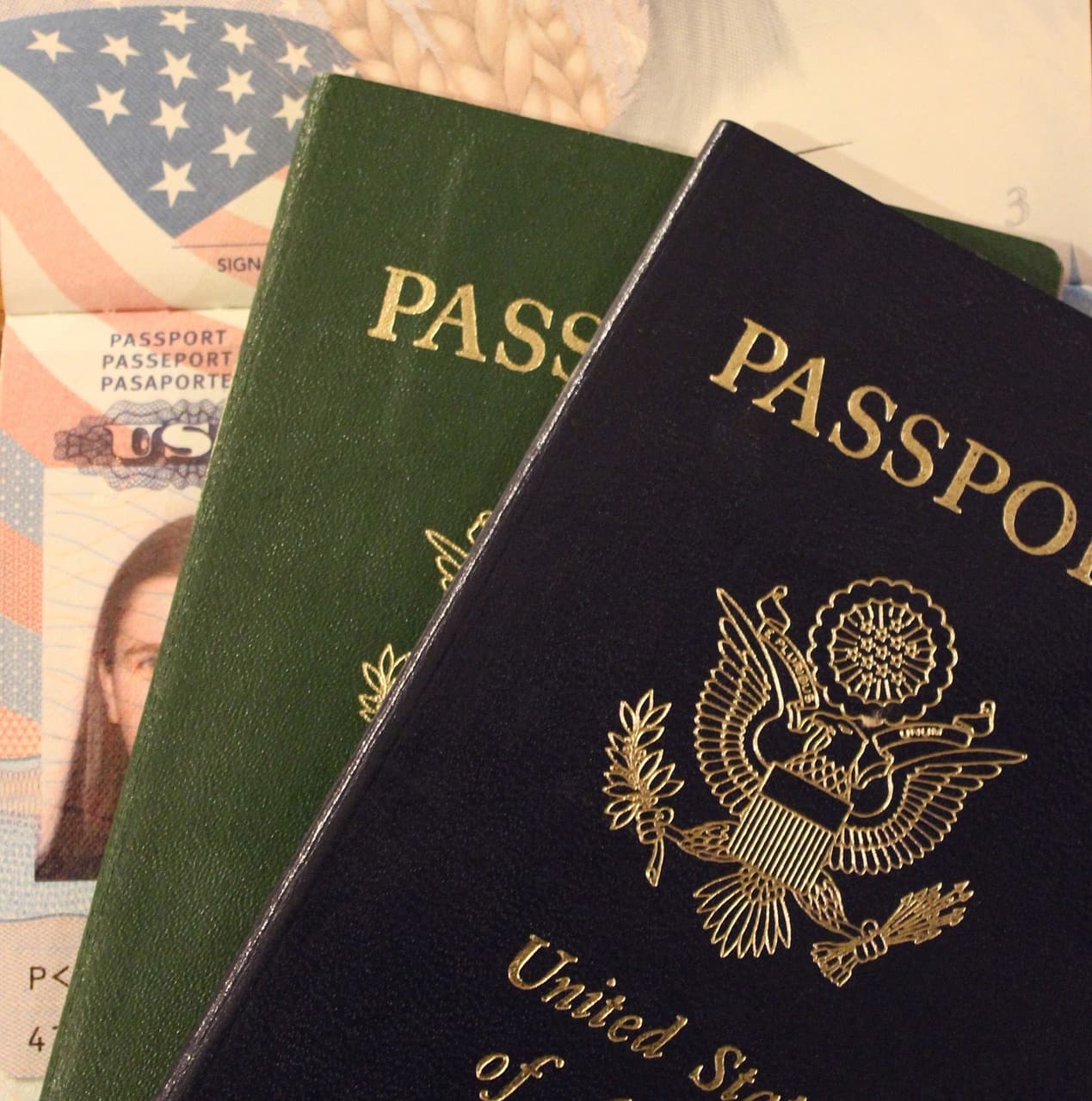
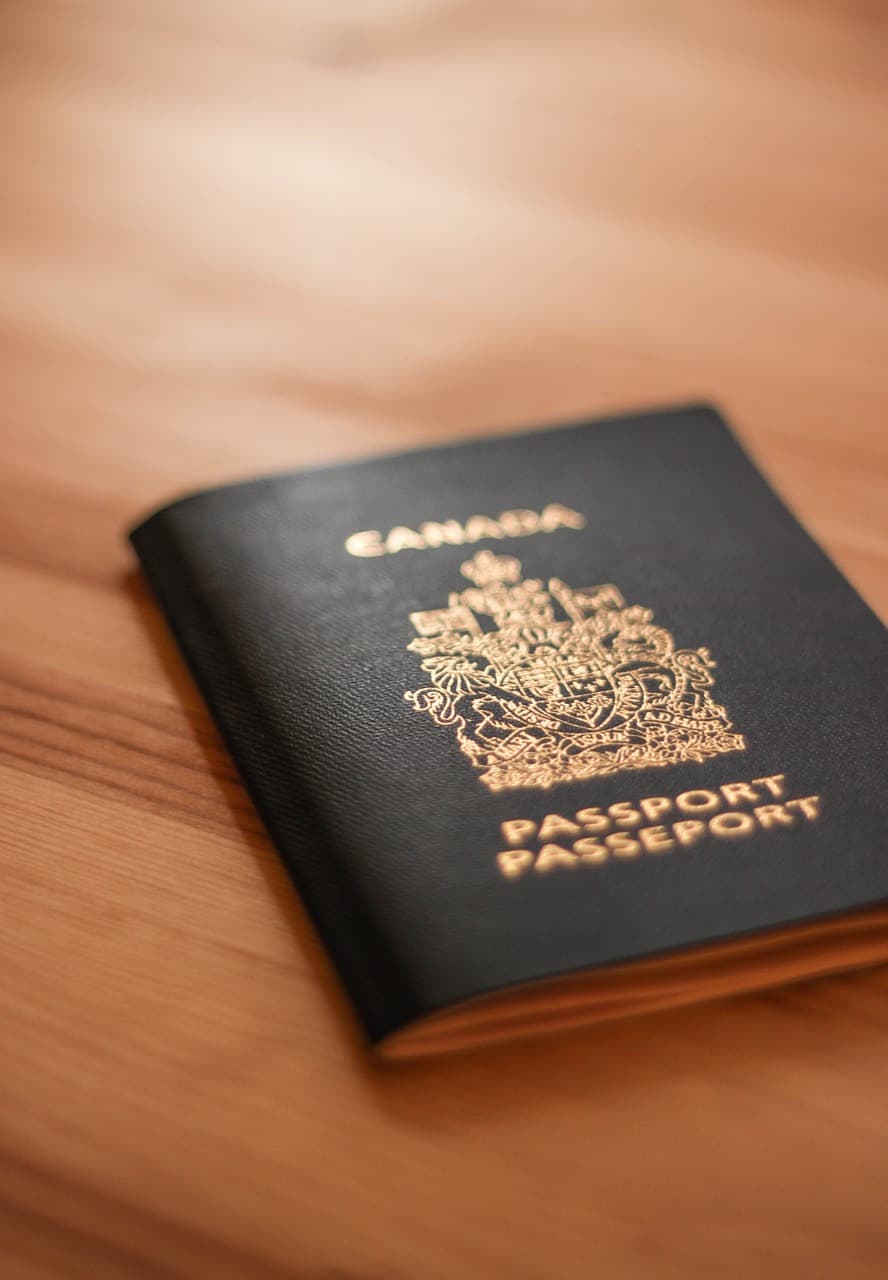
- Advantages: Dual citizens can travel with passports from both countries, making it easier to enter and leave each nation and potentially gaining access to different visa-free travel opportunities.
- Restrictions: Some countries may have entry or exit restrictions based on nationality. It is important to stay informed about the travel regulations that apply to both of your citizenships.
Military service requirements for dual nationals

Military service obligations can vary for dual citizens:
- Brazil: Brazilian citizens may be subject to mandatory military service requirements. Dual citizens residing abroad may be exempt, but they should confirm their status with Brazilian consular services.
- US: The US generally does not require dual citizens to serve in the armed forces. However, it is essential to be aware of the requirements of both countries.
Frequently asked questions about dual citizenship
- Can I vote in both Brazil and the US?
Voting eligibility is based on the laws of each country. You can vote in both countries if you meet their respective requirements, but make sure you understand the registration processes and any potential conflicts.
- How does dual citizenship affect tax obligations?
You may face tax obligations in both countries, but treaties can help mitigate double taxation. Consulting a tax advisor is crucial for managing your tax responsibilities.
- Will military service be required in both countries?
Military service requirements depend on the laws of each country. Check with the relevant authorities to understand any obligations or exemptions.
- Can I lose my Brazilian citizenship while living abroad?
You can lose Brazilian citizenship if you voluntarily acquire a conflicting nationality or fail to meet residency requirements. Stay informed about the regulations to maintain your citizenship.
- How does dual citizenship impact travel restrictions?
Dual citizenship generally increases travel flexibility, but you should be aware of any entry restrictions or requirements for each nationality.
Summary
- Definition of dual citizenship: Holding citizenship in both Brazil and the US allows you to enjoy the rights and responsibilities of both nations.
- Eligibility: Brazilian citizenship can be acquired by birth or descent, while US citizenship requires naturalization.
- Application process: Involves specific procedures in both countries, including documentation and residency requirements.
- Benefits: Include work opportunities, freedom of travel, the right to vote, and access to services.
- Tax obligations: You must file taxes in both countries, with potential relief from tax treaties.
- Cultural and legal responsibilities: Balancing the cultural and legal obligations of both countries is essential.
- Travel: Dual citizenship improves travel options but requires attention to restrictions.
- Military service: Be aware of potential obligations in both countries.
- FAQs: Address common concerns about voting, taxation, military service, and citizenship status.
Understanding dual citizenship between Brazil and the US involves navigating a complex landscape of laws, benefits, and responsibilities. By staying informed and seeking professional advice, you can make the most of your dual nationality.